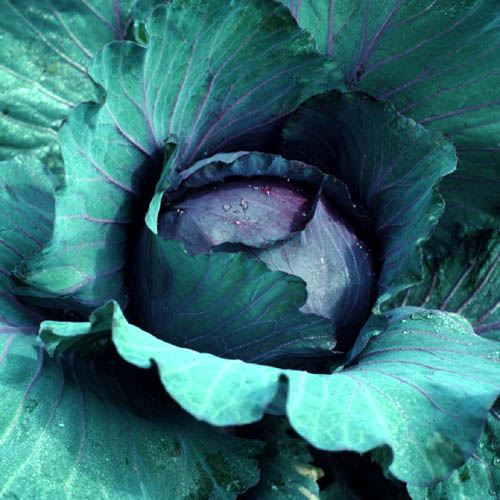
How to plant:
Propagate by
seed
Germination temperature: 45 F to 85 F
- Will germinate at soil temperatures as low as 40 F.
Days to emergence: 4 to 7
Seed can be saved 5 years.
Maintenance and care:
Sow seeds indoors 6 to 8 weeks before average last spring frost. Keep
soil warm (about 75 F) until germination. Then keep plants around 60 F.
Provide direct sun so plants don’t get leggy. When plants are 4 to 6
weeks old, transplants into garden 12 to 24 inches apart, in rows 18 to
34 inches apart. Use closer spacings for smaller, early varieties,
wider spacings for larger, late-season varieties.Can
be direct seeded as soon as you can work the soil. Will germinate at
soil temps as low as 40 F. Plant ½ to ¾ inch deep, about 3 inches
apart. Thin to final spacings.
Direct seed in summer for fall crop, or start transplants in late May and transplant in late June or early July.
Plants
have shallow root systems. Avoid even shallow cultivation. Mulch to
protect roots, reduce weed competition and conserve moisture.
Use floating row cover to protect crop from early pests.
When
heads are mature, they are prone to splitting in response to any stress
or a rain following a dry period. Avoid splitting by choosing varieties
that resist splitting, spacing plants close together (8 to 12 inches
for early varieties, 12 to 16 inches for later varieties), using shovel
to sever roots on one side about 6 inches from the plant, or twisting
plants after heads have firmed to break some of the roots.
To help reduce disease, do not plant cabbage or other cole crops in the same location more than once every three or four years.
Pests:
Cabbage aphids - A hard stream of water can be used to remove aphids
from plants. Wash off with water occasionally as needed early in the
day. Check for evidence of natural enemies such as gray-brown or
bloated parasitized aphids and the presence of alligator-like larvae of
lady beetles and lacewings.Cabbage
root maggot - White maggot larvae tunnel in and feed on roots of
plants. Damage causes wilting early on, death of plants later on.
Cabbageworms
- Handpick and destroy. Row covers may be useful on small plantings to
help protect plants from early damage. Put in place at planting and
remove before temperatures get too hot in midsummer.
Flea
Beetles - Use row covers to help protect plants from early damage. Put
in place at planting and remove before temperatures get too hot in
midsummer. Control weeds.
Cutworms - Control weeds. Cardboard collars around each plant give good protection.
Other pests:
Cabbage loopers
Slugs
Nematodes
Diseases:
Clubroot - Locate new plants in part of garden different from previous
year's location. If soil infested, add lime to raise soil pH to 7.2Purple blotch (Alternaria porri )
- Avoid wetting foliage if possible. Water early in the day so
aboveground plant parts dry as quickly as possible. Avoid crowding
plants, allowing air circulation. Eliminate weeds around plants and
garden area to increase air circulation. Practice plant sanitation.
When plants are not wet, remove and destroy affected plant parts. In
autumn rake and destroy all fallen or diseased
leaves and fruit.
Other diseases:
Cabbage yellows
Black rot
Black leg